AI-Assisted Development and DevOps Governance
Scaling AI Coding and Automation Without Losing Engineering Control
The Challenge
AI coding assistants such as Claude Code, GitHub Copilot, and Cursor are now part of everyday software development – and increasingly, part of everyday DevOps work too. The same tools that generate application code are also writing Terraform modules, Kubernetes manifests, CI/CD pipeline configs, and monitoring rules. That’s not a side effect; it’s often where AI assistance gets adopted fastest, because infrastructure code is repetitive and AI is good at repetitive.
But faster generation raises a question most teams haven’t fully answered yet: who is actually responsible for understanding, validating, securing, and maintaining the code – or the pipeline, or the infrastructure definition – an AI wrote?
Without the right controls, teams can end up with application code, deployment scripts, and infrastructure definitions that all work fine today but nobody can confidently debug, secure, or extend six months from now. The risk is sharper on the DevOps side than most teams realize: a junior developer’s AI-generated bug breaks a feature; a junior DevOps engineer’s AI-generated Terraform change or pipeline rule can take down an environment, or quietly widen an access policy nobody meant to widen.
None of this is an argument for restricting AI. It’s an argument for building the right process around it across the full delivery chain – development and DevOps alike – the same way teams already do for deployments, infrastructure changes, and code review.
The ScaleNova Approach
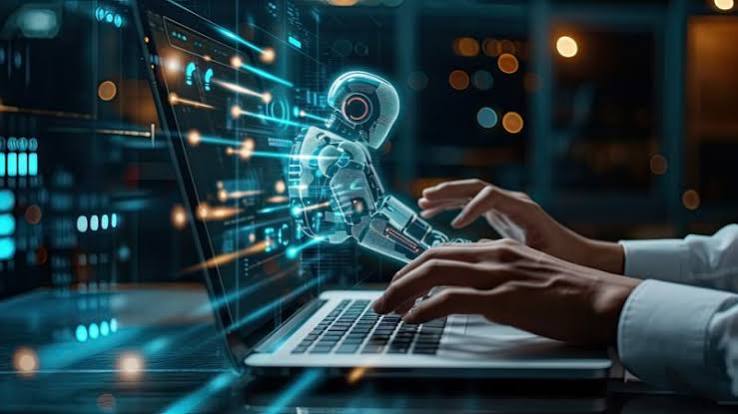
ScaleNova helps engineering and DevOps teams fold AI assistants into their existing workflows – application code, infrastructure as code, and everything in between – without losing ownership or production control. In practice, that means AI gets to speed up implementation, but it doesn’t get to skip the standards the rest of the pipeline already has to meet, whether that pipeline is building an app or provisioning a cluster.
1. AI-Assisted Review – for Code and Infrastructure Alike
AI-generated code, Terraform, Helm charts, and pipeline definitions all go through the same review process as anything else. The person who committed it – developer or DevOps engineer – needs to be able to explain the logic behind the change and the ways it could fail, and stays accountable for it, whether they typed it themselves or had an assistant draft it.
2. Automated Quality Gates Across the Pipeline
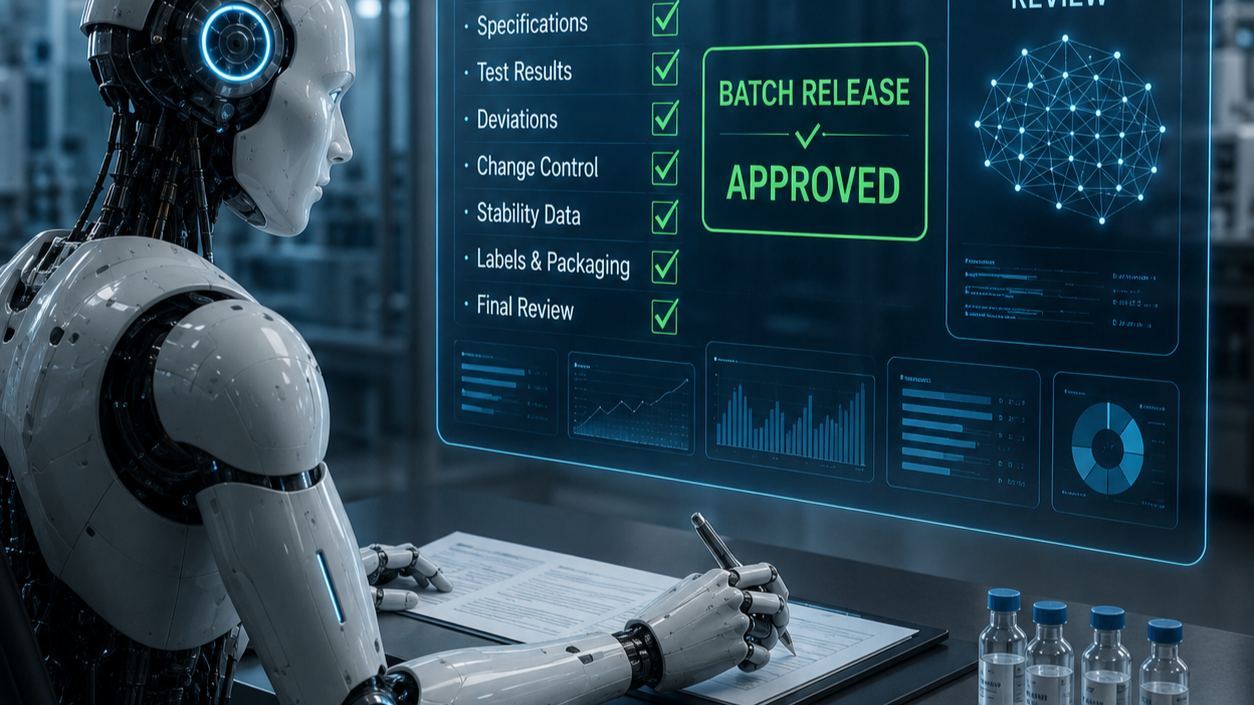
AI-generated code and AI-generated infrastructure changes both run through the same automated controls as anything hand-written: testing, linting and quality checks, security scanning, dependency analysis, terraform plan review, and CI/CD gates. Speed of generation doesn’t earn an exception from any of these – a fast-generated IAM policy still gets the same scrutiny as a slow, hand-written one.
3. Debugging and Operational Ownership
Heavy AI usage carries a quiet risk on both sides of the house: developers can slowly become operators of a tool rather than engineers who understand the systems they maintain – and the same thing happens to DevOps and SRE teams who start letting AI diagnose incidents instead of reading the logs and metrics themselves. ScaleNova encourages a workflow where people reach for logs, observability data, runbooks, and their own judgment before escalating every problem straight to an AI assistant -so AI ends up as one more resource in the toolkit, not the reflexive first move, whether the problem is a failing test or a paging alert at 2am.
4. Risk-Based AI Governance
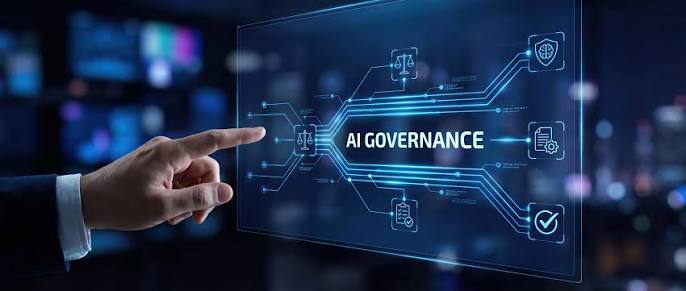
Not every change carries the same risk. Using AI to write a small utility function or tweak a dashboard is a different situation from using it to touch infrastructure as code, CI/CD pipelines, authentication, production monitoring, security groups, network policy, database migrations, or anything with direct write access to production. ScaleNova helps teams set tighter review and approval requirements specifically for that higher-risk category – often the DevOps and infrastructure layer, where a single bad apply can have a much bigger blast radius than a single bad function.
5. Preventing AI-Driven Technical and Infrastructure Debt
As AI-generated code and AI-generated infrastructure both pile up, parts of a codebase – or a cloud environment – can quietly turn into territory that nobody, including whoever “wrote” it, can fully explain anymore. That’s a new flavor of debt: code and infrastructure that run fine operationally but have no clear owner and no one who really understands the configuration. ScaleNova works against this through code and infrastructure ownership practices, documentation, review discipline, observability, and feeding incidents back into how the team works – treating a mystery Terraform module the same way it treats a mystery function.
6. Measuring Engineering and DevOps Outcomes, Not Just Adoption
How much a team uses AI isn’t, by itself, a useful metric. What matters is whether it’s actually improving how the team ships and operates software – which shows up in things like review time, defect rates, rework, deployment frequency, change failure rate, mean time to recovery, and how fast incidents get resolved. Those DORA-style numbers tell you whether AI is genuinely helping the delivery pipeline or just generating more code and config to review.
The Outcome
With the right governance in place, teams can get real value from AI across both development and DevOps without trading away engineering quality or operational reliability. AI speeds up implementation and automation, engineers and DevOps teams stay accountable for what ships and what runs, automation enforces the quality bar, and DevOps practices provide the guardrails around all of it – from the first line of code to the infrastructure it runs on.
That combination is what lets an organization get more out of AI while keeping the risk of hidden technical debt, misconfigured infrastructure, security gaps, and production surprises in check.
Why ScaleNova
AI-assisted delivery isn’t really an “AI problem” on its own – it sits at the intersection of software engineering, DevOps, cloud infrastructure, security, automation, and governance. That’s the intersection ScaleNova already works in. We help teams bring AI into real development and DevOps environments as a controlled part of how software gets built and operated, not as a side experiment running alongside the real process.
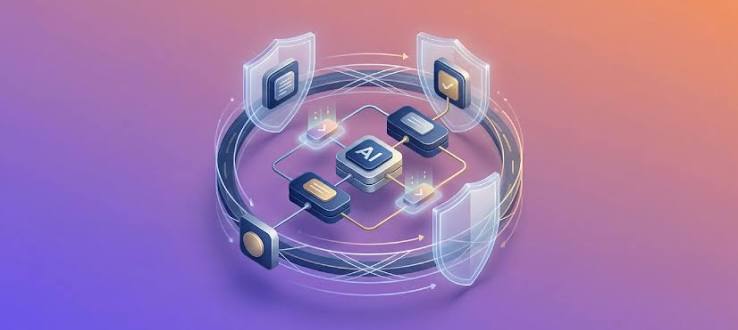
70% fewer AI-related production incidents
$50,000 annual savings in debugging and rework time
60% faster recovery from AI-related failures